Pumping Blood
The Heart's Primary Function
The heart's primary function is to pump blood throughout the body, delivering oxygen and nutrients to tissues and organs. This incredible muscle works tirelessly, contracting and relaxing around 100,000 times a day to circulate approximately 2,000 gallons of blood.
The pumping process is a well-orchestrated sequence of events, beginning with the right atrium receiving deoxygenated blood from the body. The blood then flows into the right ventricle, which pumps it to the lungs for oxygenation. The newly oxygenated blood returns to the left atrium and is then pumped out to the body by the powerful left ventricle.
The Pumping Cycle
The heart's pumping action is controlled by electrical impulses that cause the heart muscle to contract and relax in a coordinated manner. This process, known as the cardiac cycle, ensures a steady supply of oxygenated blood to meet the body's metabolic needs.
The cardiac cycle consists of two main phases: diastole, when the heart relaxes and fills with blood, and systole, when the heart contracts and pumps blood out. The atria and ventricles work together to ensure efficient blood circulation.
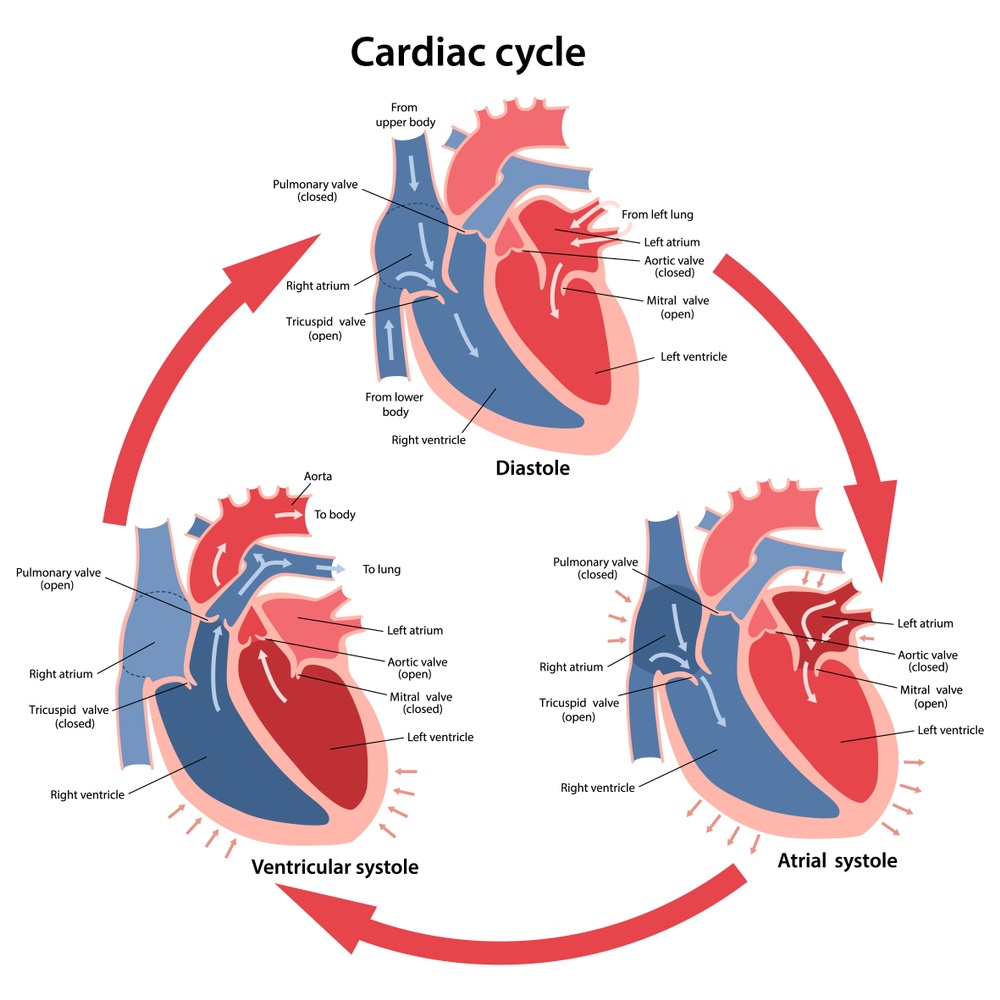
The Cardiac Cycle
The cardiac cycle consists of diastole (relaxation) and systole (contraction) phases, working together to ensure efficient blood circulation.
The Importance of a Healthy Heart
Maintaining a healthy heart is crucial for overall well-being. Regular exercise, a balanced diet, and managing stress can help keep your heart functioning at its best. By understanding how the heart works and taking steps to care for it, you can reduce your risk of cardiovascular diseases and enjoy a healthier, more active life.
Remember, your heart is a remarkable organ that never takes a break. Taking care of it should be a top priority. If you have any concerns about your heart health, don't hesitate to consult with a healthcare professional.