Hormone Transport
The Heart's Role in Hormone Distribution
The cardiovascular system plays a crucial role in hormone transport, serving as the primary distribution network for these essential chemical messengers. The heart pumps blood containing various hormones throughout the body, ensuring they reach their target tissues and organs efficiently.
Hormones are transported primarily through the bloodstream, either bound to specific carrier proteins or in their free form. This sophisticated delivery system allows for precise regulation of various bodily functions, from metabolism to growth and development.
Key Hormone Transport Functions
The cardiovascular system transports various types of hormones, including steroid hormones, peptide hormones, and amino acid-derived hormones. Each type has specific transport mechanisms and interactions with blood components.
The efficiency of hormone transport depends on factors such as blood flow rate, hormone binding proteins, and the health of the cardiovascular system. This complex system ensures hormones reach their target cells at the right concentration and time.
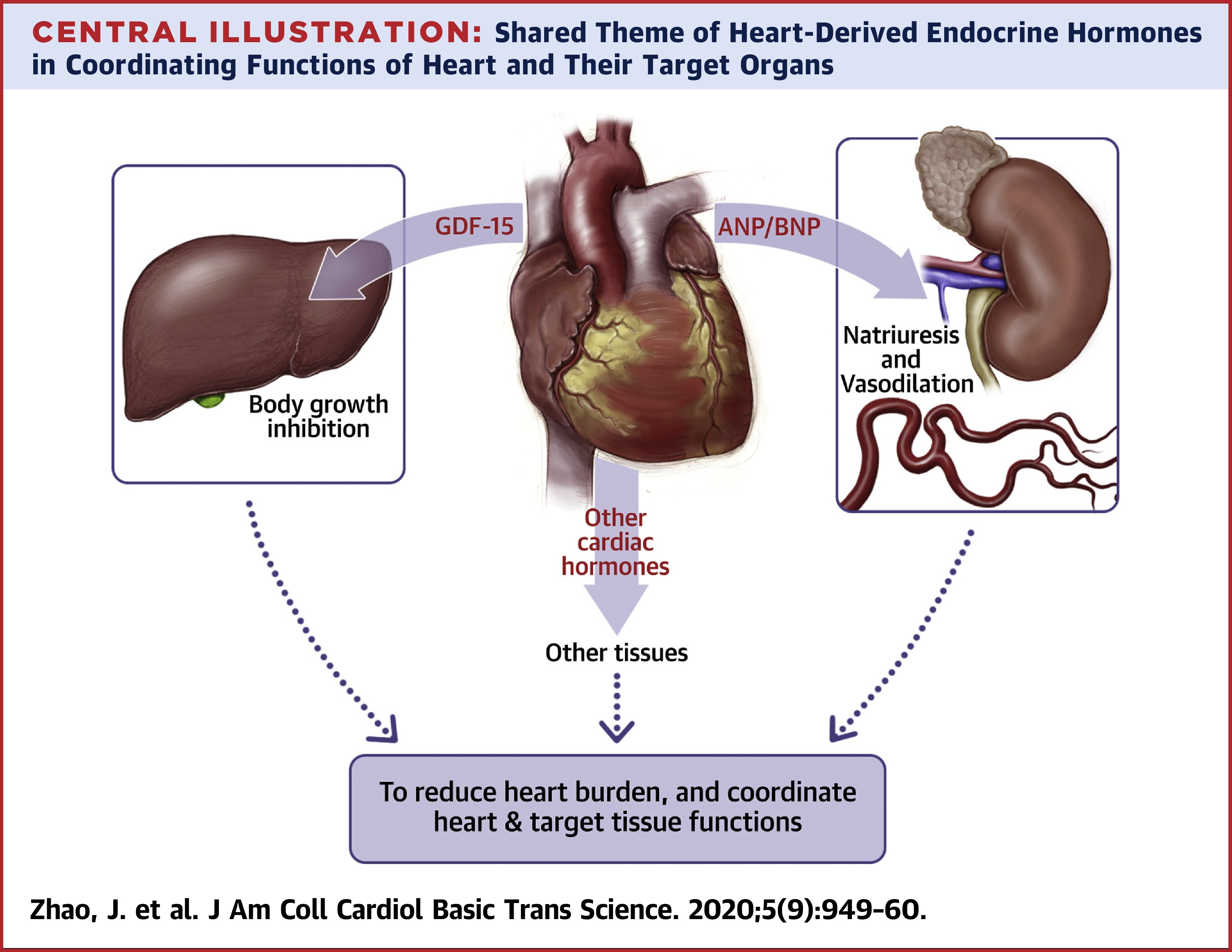
Hormone Transport System
The intricate network of blood vessels carrying hormones to various target tissues throughout the body.
Impact on Health and Homeostasis
Proper hormone transport is essential for maintaining homeostasis and overall health. Any disruption in the cardiovascular system can affect hormone distribution, potentially leading to hormonal imbalances and various health conditions.
Regular exercise, a balanced diet, and maintaining cardiovascular health are crucial for optimal hormone transport. Understanding this connection helps healthcare providers better diagnose and treat hormonal disorders while considering cardiovascular health.